
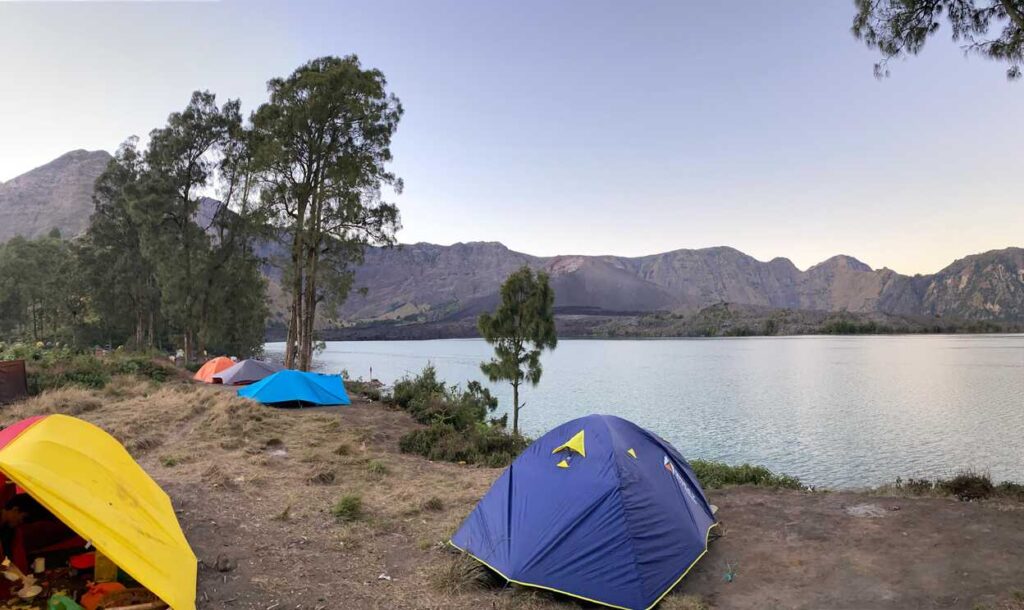
Mount Rinjani, standing at 3,726 meters above sea level, is one of Indonesia’s most iconic and challenging trekking destinations. With its breathtaking landscapes, lush forests, and the stunning Segara Anak crater lake, the trek to Rinjani’s summit is a bucket-list experience for adventurers around the world. However, the trek is demanding and requires thorough preparation to ensure a safe and successful journey. This Rinjani Trek Preparation Guide provides you with everything you need to know to get ready for this epic adventure.
1. Why Proper Preparation is Crucial
Trekking Mount Rinjani is not just a walk in the park. The trek involves steep climbs, rugged terrain, and unpredictable weather conditions. Proper preparation is essential to ensure you have the stamina, strength, and mental resilience needed to complete the trek. It also helps prevent injuries, altitude sickness, and other potential challenges that could arise on the trail.
2. Physical Fitness: Getting in Shape for the Trek
The Rinjani trek is physically demanding, so it’s important to be in good shape before you start. Here’s how to prepare your body:
Cardio Training
Cardiovascular endurance is key to handling the long, steep climbs. Incorporate activities like running, cycling, swimming, or brisk walking into your routine. Aim for at least 30 minutes of cardio exercise, 3-5 times a week, in the months leading up to your trek.
Strength Training
Building strength in your legs, core, and upper body is crucial for carrying your gear and navigating steep and uneven terrain. Focus on exercises like squats, lunges, step-ups, and planks. Adding weight training or resistance exercises will help build the muscle endurance needed for the trek.
Hiking Practice
If possible, go on practice hikes with a loaded backpack to simulate the conditions of the Rinjani trek. Choose trails with elevation gains and varying terrain to get your body accustomed to the demands of the trek.
3. Packing Essentials: What to Bring for the Rinjani Trek
Packing the right gear is essential for your comfort and safety on the trek. Here’s a list of must-have items:
Clothing
- Layered Clothing: Temperatures can vary greatly, so bring lightweight, moisture-wicking layers for the day and warm, insulating layers for the cold nights.
- Waterproof Jacket: A good quality, lightweight waterproof jacket is essential to protect against rain and wind.
- Trekking Pants: Quick-drying, comfortable pants are ideal for the trek.
- Trekking Boots: Invest in a pair of sturdy, well-fitted trekking boots with good ankle support. Make sure to break them in before the trek.
- Socks and Gaiters: High-quality, moisture-wicking socks and gaiters to keep your feet dry and protect against blisters and debris.
Camping Gear
- Tent and Sleeping Bag: If not provided by your tour operator, bring a lightweight tent and a sleeping bag rated for cold temperatures.
- Sleeping Mat: A comfortable sleeping mat to insulate against the cold ground.
- Headlamp: A headlamp with extra batteries for early morning and nighttime treks.
Food and Water
- Water Bottles or Hydration Bladder: Carry enough water for the day’s trek, with the capacity to hold at least 2-3 liters.
- Water Purification Tablets: To purify water from natural sources if necessary.
- High-Energy Snacks: Bring snacks like nuts, dried fruit, energy bars, and chocolate to keep your energy levels up during the trek.
Safety and Health
- First Aid Kit: Include bandages, antiseptic wipes, blister treatments, pain relievers, and any personal medications.
- Sunscreen and Sunglasses: Protect yourself from the intense sun at high altitudes.
- Insect Repellent: To guard against mosquitoes and other insects.
- Altitude Sickness Medication: Consider bringing medication like acetazolamide (Diamox) if you’re concerned about altitude sickness.
Miscellaneous
- Trekking Poles: These can help reduce the strain on your knees and improve balance on steep descents.
- Camera: To capture the stunning landscapes and memories.
- Trash Bags: Carry out all your trash to keep the mountain clean.
4. Acclimatization: Preparing for High Altitude
Mount Rinjani’s high altitude can pose a risk of altitude sickness, which occurs when your body cannot adjust to the lower oxygen levels at high elevations. Symptoms include headaches, nausea, dizziness, and shortness of breath. To reduce the risk:
- Ascend Slowly: Gradual ascent allows your body to acclimatize to the altitude. Take your time and avoid rushing the trek.
- Stay Hydrated: Drink plenty of water throughout the trek. Dehydration can exacerbate altitude sickness.
- Acclimatization Day: If possible, spend an extra day at an intermediate altitude (like at the crater rim) to help your body adjust.
- Listen to Your Body: If you experience severe symptoms, it’s important to descend to a lower altitude immediately.
5. Choosing the Right Trekking Route
Mount Rinjani offers multiple trekking routes, each with its unique challenges and rewards. The most popular routes are:
Senaru Route
- Duration: 2-3 days
- Difficulty: Moderate to Difficult
- Highlights: Lush forests, crater rim views, Segara Anak Lake
Sembalun Route
- Duration: 3-4 days
- Difficulty: Difficult
- Highlights: Open savannahs, challenging summit push, panoramic sunrise views
Choose the route that best suits your fitness level, time availability, and trekking experience.
6. Guides and Porters: Hiring Local Expertise
While it’s possible to trek Mount Rinjani independently, hiring a local guide and porter is highly recommended, especially if you’re not an experienced trekker. Guides provide invaluable local knowledge, ensure your safety, and enhance your overall experience. Porters can carry your heavier gear, allowing you to focus on the trek itself.
When hiring a guide or porter, choose one from a reputable trekking company that follows ethical practices, such as fair wages and proper working conditions for porters.
7. Mental Preparation: Getting in the Right Mindset
Trekking Mount Rinjani is as much a mental challenge as it is a physical one. Preparing yourself mentally can make a significant difference in your trekking experience:
- Stay Positive: The trek can be tough, but maintaining a positive attitude will help you push through difficult sections.
- Embrace the Challenge: Understand that the trek will be challenging, but the rewards—both in terms of views and personal achievement—are worth the effort.
- Be Patient: Take your time, pace yourself, and enjoy the journey rather than rushing to the summit.
8. Environmental Responsibility: Leave No Trace
Mount Rinjani is a natural wonder that deserves to be preserved for future generations. Follow the Leave No Trace principles:
- Pack Out All Trash: Carry all your waste back with you, including food wrappers, plastic bottles, and other non-biodegradable items.
- Respect Wildlife: Do not disturb the animals or plants you encounter along the trail.
- Stick to Designated Paths: Stay on marked trails to prevent erosion and protect the environment.
9. Conclusion
The trek to Mount Rinjani is a challenging yet incredibly rewarding adventure. Proper preparation—both physically and mentally—will greatly increase your chances of a successful and enjoyable experience. From getting in shape and packing the right gear to acclimatizing to the altitude and hiring a local guide, every step of preparation is crucial for a safe and memorable journey. With the right preparation, you’ll be ready to conquer one of Indonesia’s most iconic peaks and create memories that will last a lifetime