
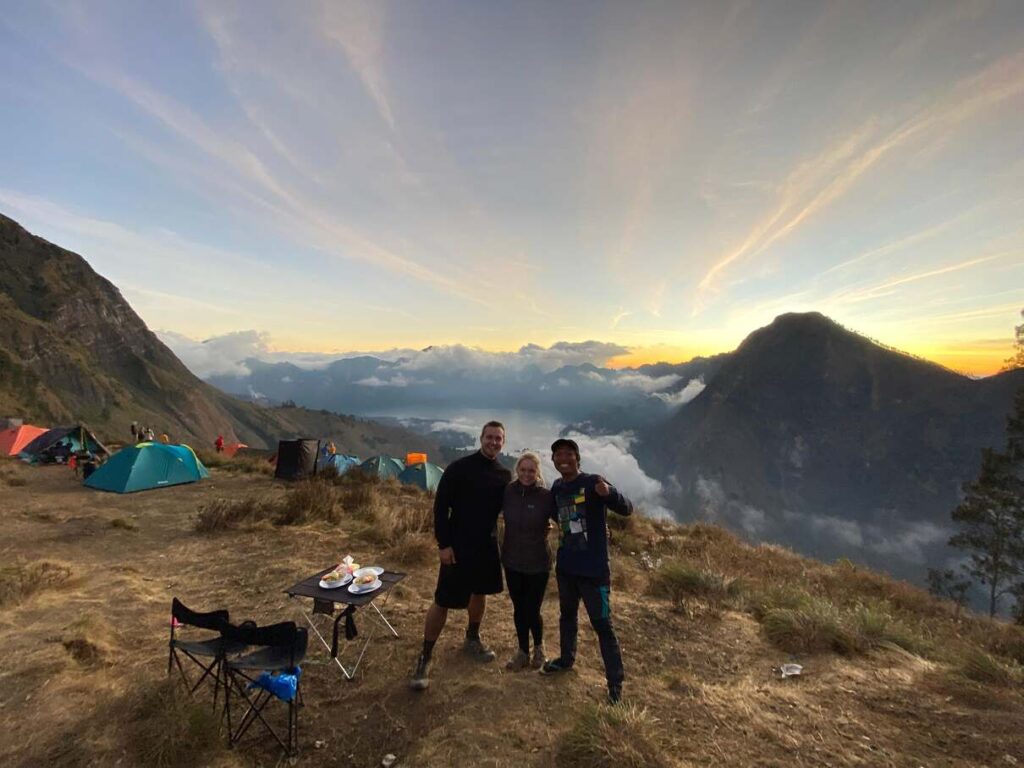
Mount Rinjani, Indonesia’s second-highest volcano, stands majestically at 3,726 meters above sea level on the beautiful island of Lombok. Known for its breathtaking landscapes, challenging trails, and the stunning Segara Anak crater lake, Mount Rinjani is a dream destination for trekkers and nature enthusiasts worldwide. Planning your climb at the right time is crucial to ensure a safe and enjoyable experience. This comprehensive guide will help you determine the best time to climb Mount Rinjani, taking into account weather conditions, trail accessibility, and overall trekking experience.
Table of Contents
- Understanding Mount Rinjani’s Climate
- Best Months to Climb Mount Rinjani
- Climbing During the Dry Season
- Climbing During the Wet Season
- Peak and Off-Peak Seasons
- Considering Local Events and Festivals
- Environmental and Conservation Closures
- Tips for Planning Your Mount Rinjani Trek
- Conclusion
- Frequently Asked Questions
Understanding Mount Rinjani’s Climate
Mount Rinjani’s climate is predominantly tropical, characterized by two main seasons:
- Dry Season: April to October
- Wet Season: November to March
Understanding these seasons and their impact on trekking conditions is essential for planning your climb.
Dry Season (April to October)
The dry season offers the most favorable conditions for trekking:
- Weather: Clear skies, minimal rainfall, and comfortable temperatures.
- Trail Conditions: Dry and stable paths, making the climb safer and more manageable.
- Visibility: Excellent panoramic views from the summit and along the trails.
Wet Season (November to March)
The wet season poses several challenges:
- Weather: Heavy rainfall, frequent thunderstorms, and higher humidity.
- Trail Conditions: Slippery and muddy paths, increasing the risk of accidents.
- Visibility: Obstructed views due to clouds and fog.
Note: Mount Rinjani National Park authorities often close the mountain to trekkers during the peak wet months (usually January and February) for safety and conservation reasons.
Best Months to Climb Mount Rinjani
While the dry season is generally recommended for climbing Mount Rinjani, some months offer particularly optimal conditions.
April and May
- Pros:
- Beginning of the dry season with fresh and lush landscapes from the recent rains.
- Fewer crowds compared to peak months.
- Clear and pleasant weather conditions.
- Cons:
- Occasional light showers may still occur.
June to August
- Pros:
- Stable and dry weather with minimal rainfall.
- Excellent visibility offering stunning sunrise and sunset views.
- Ideal for photography enthusiasts.
- Cons:
- Peak tourist season leading to crowded trails and campsites.
- Accommodation and trekking services may be in high demand; advance booking is essential.
September and October
- Pros:
- Continuation of dry and stable weather conditions.
- Decreased tourist numbers compared to peak months.
- Beautifully clear skies and slightly warmer temperatures.
- Cons:
- The landscape may be drier and less green as the season progresses.
Climbing During the Dry Season
Choosing to climb during the dry season enhances your trekking experience in several ways.
Advantages
- Safety: Dry trails reduce the risk of slips and falls.
- Comfort: Lower humidity levels and cooler night temperatures make camping more comfortable.
- Experience: Better opportunities for stargazing and enjoying panoramic views.
- Accessibility: All routes and paths are generally open and well-maintained.
Considerations
- Crowds: Popular routes can become busy, especially during peak months.
- Booking: Early reservations for guides, porters, and accommodation are recommended.
- Temperature Variations: Nights can be cold; appropriate clothing is necessary.
Climbing During the Wet Season
While not generally recommended, some trekkers opt for wet season climbs.
Advantages
- Solitude: Significantly fewer trekkers, offering a more secluded experience.
- Lush Scenery: Verdant landscapes and abundant waterfalls due to rainfall.
- Flexible Booking: Easier to arrange last-minute treks and accommodation.
Challenges
- Safety Risks: Slippery trails and increased chances of landslides and flash floods.
- Limited Access: Some routes may be closed; always check with local authorities.
- Unpredictable Weather: Sudden downpours and storms can disrupt trekking plans.
- Poor Visibility: Cloud cover can obscure views from the summit.
Recommendation: If you choose to trek during the wet season, opt for early November or late March when rainfall is less intense, and always prioritize safety.
Peak and Off-Peak Seasons
Understanding the flow of tourists can help you plan a more enjoyable trek.
Peak Season (June to August)
- Characteristics:
- High number of trekkers from around the world.
- Vibrant atmosphere with opportunities to meet fellow adventurers.
- Potentially crowded campsites and trails.
- Tips:
- Book guides, porters, and accommodation well in advance.
- Start your trek early in the morning to avoid congestion.
- Be prepared for limited privacy and shared facilities.
Off-Peak Season (April, May, September, October)
- Characteristics:
- Fewer trekkers leading to a more peaceful experience.
- Greater availability of services and accommodation.
- Potential for discounted rates with some trekking agencies.
- Tips:
- Still, ensure bookings are made ahead to secure preferred services.
- Check weather forecasts regularly as transitional months can have unpredictable conditions.
- Enjoy the tranquility and take time to immerse yourself in the natural surroundings.
Considering Local Events and Festivals
Aligning your trek with local events can enrich your cultural experience.
Notable Events
- Bau Nyale Festival (February/March): A unique Lombok festival where locals gather to catch sea worms believed to be the incarnation of a princess. While it occurs during the wet season, participating in or witnessing this festival can be a fascinating cultural experience.
- Ramadan (dates vary annually): During the Islamic holy month, local services may operate differently. Be respectful of local customs, and plan accordingly.
Tip: Research local calendars and consult with trekking agencies to incorporate cultural experiences into your itinerary.
Environmental and Conservation Closures
Mount Rinjani National Park authorities may impose closures for various reasons.
Common Reasons for Closures
- Rainy Season Safety: To prevent accidents due to hazardous trail conditions.
- Environmental Conservation: Allowing the ecosystem to recover from human impact.
- Volcanic Activity: Monitoring and responding to increased volcanic activity for safety.
Checking for Updates
- Official Sources: Refer to the Mount Rinjani National Park official website or local tourism boards.
- Trekking Agencies: Stay in contact with reputable local guides and agencies for the latest information.
- Local News: Keep an eye on regional news outlets for announcements and advisories.
Recommendation: Always verify the mountain’s open status before finalizing your travel plans to avoid disappointment.
Tips for Planning Your Mount Rinjani Trek
Ensuring a successful and memorable climb involves careful planning.
1. Choose the Right Time
- Assess Your Priorities: Decide whether you prefer optimal weather, fewer crowds, or aligning with local events.
- Consider Personal Schedule: Align your trek with your availability and fitness preparation timeline.
2. Book Reputable Guides and Porters
- Research Agencies: Look for experienced and environmentally responsible trekking companies.
- Check Reviews: Read testimonials and reviews from previous trekkers.
- Confirm Inclusions: Ensure your package includes necessary permits, equipment, meals, and safety measures.
3. Prepare Physically and Mentally
- Fitness Training: Engage in regular cardio and strength training exercises leading up to the trek.
- Acclimatization: Plan for adequate rest and adjustment time to prevent altitude sickness.
- Mental Readiness: Be prepared for challenging conditions and maintain a positive attitude.
4. Pack Appropriately
- Clothing: Layered clothing suitable for varying temperatures and weather conditions.
- Gear: Reliable trekking boots, rain protection, sleeping bag, and other essentials.
- Supplies: Sufficient water, snacks, and personal medications.
5. Respect the Environment and Local Culture
- Leave No Trace: Carry out all trash and minimize your environmental footprint.
- Cultural Sensitivity: Respect local customs, traditions, and sacred sites.
- Support Local Communities: Engage with and support local businesses and services.
Conclusion
Choosing the best time to climb Mount Rinjani is a crucial step in planning an unforgettable trekking adventure. The dry season, particularly between April and October, offers the most favorable conditions, but understanding the nuances of each month and season can help tailor your experience to your preferences. Careful planning, respecting environmental considerations, and preparing adequately will ensure that your journey to the summit of Mount Rinjani is not only successful but also enriching and memorable. Embrace the challenge, soak in the breathtaking beauty, and create lasting memories on one of Indonesia’s most spectacular mountains.
Frequently Asked Questions
1. Is it possible to climb Mount Rinjani without a guide?
While some experienced trekkers may choose to climb without a guide, it is highly recommended to hire a local guide and porter for safety, navigation, and to support the local economy.
2. How cold does it get on Mount Rinjani?
Temperatures can drop to around 5°C (41°F) at night, especially near the summit. Packing warm clothing and a good-quality sleeping bag is essential.
3. Are there any age restrictions for climbing Mount Rinjani?
There are no strict age restrictions, but climbers should be in good physical condition. Children and older adults should assess their fitness levels and consider consulting with a healthcare professional before attempting the trek.
4. What permits are required for the trek?
A trekking permit issued by the Mount Rinjani National Park is required. These are usually arranged by your trekking agency and included in the package.
5. What is the difficulty level of the Mount Rinjani trek?
The trek is considered challenging due to steep ascents, high altitudes, and variable weather conditions. Proper preparation and fitness training are important for a successful climb.
6. Can I rent trekking equipment locally?
Yes, many trekking agencies offer equipment rentals including tents, sleeping bags, and trekking poles. Confirm availability and quality with your chosen provider.
7. What wildlife can I expect to see during the trek?
You may encounter various wildlife including macaque monkeys, tropical birds, and a diverse range of plant species along the trails.
Embark on your Mount Rinjani adventure well-prepared and informed to fully enjoy the natural beauty and exhilarating challenge that awaits you. Happy trekking!