
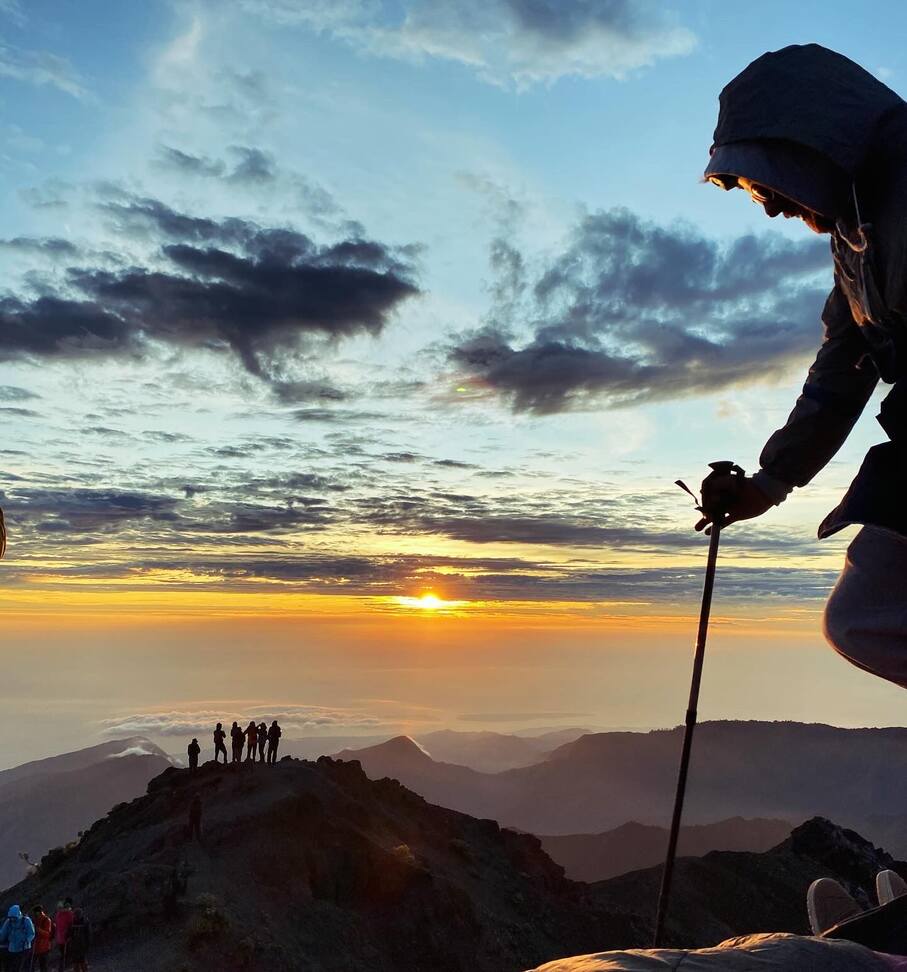
Mount Rinjani, towering at 3,726 meters above sea level, is not only the second-highest volcano in Indonesia but also one of the most challenging trekking destinations in Southeast Asia. The journey to its summit is as rewarding as it is demanding, drawing adventurers from around the world eager to conquer its rugged terrain. If you’re considering taking on this epic trek, understanding the difficulty of climbing Mount Rinjani is crucial for proper preparation and ensuring a safe and successful adventure.
1. Understanding the Challenge
Climbing Mount Rinjani is not for the faint-hearted. The trek involves steep ascents, loose volcanic scree, and challenging terrain that tests both physical endurance and mental resilience. The trek typically spans 2 to 4 days, depending on the route and pace, with hikers ascending nearly 2,000 meters in elevation from the base to the summit.
Key Challenges:
- Steep Climbs: Some sections of the trail, especially near the summit, are extremely steep, requiring significant effort and strength.
- Loose Terrain: The final ascent to the summit involves trekking through loose volcanic scree, which can make each step difficult as you may slide back with every move forward.
- Altitude: The high altitude can cause altitude sickness, especially if trekkers do not acclimatize properly before the ascent.
- Weather Conditions: The weather on Mount Rinjani can be unpredictable. Cold temperatures, strong winds, and sudden changes in weather can add to the difficulty.
2. Trekking Routes and Their Difficulty Levels
Mount Rinjani offers several trekking routes, each varying in difficulty and duration. Understanding the nature of each route can help you choose the one that matches your fitness level and trekking experience.
Senaru Route
- Starting Point: Senaru Village
- Duration: 2-3 days
- Difficulty: Moderate to Difficult
- Description: The Senaru route is popular for its lush forests and gradual ascent, making it slightly easier than the Sembalun route. However, it still presents significant challenges, particularly the steep climb to the crater rim.
Sembalun Route
- Starting Point: Sembalun Village
- Duration: 3-4 days
- Difficulty: Difficult
- Description: The Sembalun route is more challenging due to its longer, steeper ascent and exposure to the elements. This route is known for the grueling summit push, where trekkers face loose scree and steep inclines.
Torean Route
- Starting Point: Torean Village
- Duration: 2-3 days
- Difficulty: Moderate (with some technical sections)
- Description: Less frequented than the other routes, the Torean route offers a less direct ascent but includes technical sections that require careful navigation. It’s a good option for those seeking a quieter trek with stunning views.
3. Physical and Mental Preparation
Given the difficulty of climbing Mount Rinjani, physical and mental preparation is essential. Here’s how to get ready for the trek:
Physical Fitness:
- Cardio Training: Improve your cardiovascular endurance through activities like running, cycling, or swimming.
- Strength Training: Focus on building leg strength, particularly in your calves and thighs, as well as core stability.
- Hiking Experience: Prior hiking experience, especially on steep and rough terrain, will be beneficial. Try to simulate the conditions by hiking with a loaded backpack.
Mental Toughness:
- Patience: The trek can be slow and exhausting, particularly on the final ascent. Patience and perseverance are key.
- Positive Mindset: Stay focused on the goal and maintain a positive attitude, even when the going gets tough.
4. Dealing with Altitude and Weather
Altitude sickness is a common concern when climbing Mount Rinjani. Symptoms include headaches, dizziness, and nausea, which can severely impact your trek. To minimize the risk:
- Acclimatize Properly: Spend a day or two at higher altitudes before starting your trek.
- Stay Hydrated: Drink plenty of water and avoid alcohol before and during the trek.
- Ascend Slowly: Take your time during the ascent, particularly as you approach the summit.
Weather conditions can also add to the difficulty. Even in the dry season, temperatures can drop drastically, particularly at night and near the summit. Packing appropriate clothing, including thermal layers and a good quality sleeping bag, is essential for staying warm.
5. Tips for a Successful Climb
To conquer Mount Rinjani successfully, consider these additional tips:
- Hire a Guide: While it’s possible to trek Rinjani independently, hiring a local guide can greatly enhance your experience. Guides provide valuable insights into the terrain, local culture, and help ensure your safety.
- Pack Smart: Bring only the essentials. A lighter pack will make the trek more manageable.
- Start Early: Begin your trek early in the day to avoid the midday heat and give yourself plenty of time to reach each checkpoint.
6. Is Mount Rinjani Right for You?
Mount Rinjani is a demanding trek that requires a good level of fitness, proper preparation, and a strong determination to reach the summit. If you’re up for the challenge, the rewards are immense: breathtaking views, a sense of accomplishment, and the thrill of standing atop one of Indonesia’s most iconic peaks. However, if you’re new to trekking or unsure of your physical capabilities, consider starting with less challenging hikes before attempting Rinjani.
7. Conclusion
Climbing Mount Rinjani is not just a hike; it’s an adventure that pushes you to your limits and rewards you with some of the most spectacular scenery in Indonesia. Understanding the difficulty of the trek, preparing adequately, and respecting the mountain’s challenges will increase your chances of a successful and unforgettable experience. Whether you reach the summit or explore the crater rim, the journey to Mount Rinjani is a test of endurance, but one that offers immense satisfaction and lasting memories