
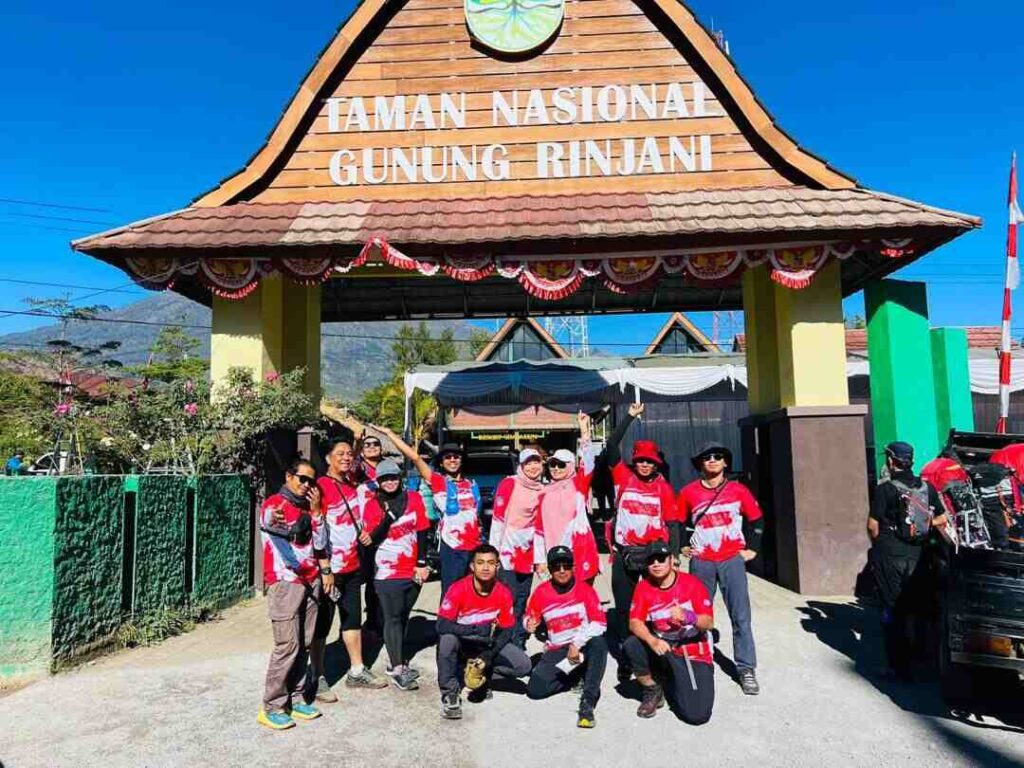
Mount Rinjani, Indonesia’s second-highest volcano, is a must-visit destination for adventurers and nature enthusiasts alike. With its stunning landscapes, challenging treks, and breathtaking views, getting to Mount Rinjani is more than just a trip; it’s an unforgettable experience. Whether you’re planning a solo journey, a guided trek, or a group expedition, this guide will provide you with all the information you need to make your journey to Mount Rinjani smooth and enjoyable.
1. Why Visit Mount Rinjani?
Mount Rinjani is not just a mountain; it’s a symbol of Lombok’s natural beauty. The active volcano, which rises to 3,726 meters above sea level, offers one of the most scenic trekking experiences in Southeast Asia. The trek to the summit is challenging, but the reward is worth every step: panoramic views of the surrounding islands, the stunning Segara Anak crater lake, and the mystical hot springs. Whether you’re an experienced trekker or a novice hiker, Mount Rinjani offers an adventure of a lifetime.
2. How to Get to Mount Rinjani
Getting to Mount Rinjani requires a bit of planning, but it’s accessible from various locations in Indonesia. Here’s how you can reach the starting point of your Rinjani adventure:
By Air
The closest airport to Mount Rinjani is Lombok International Airport (LOP), located in Praya, Lombok. The airport is well-connected with direct flights from major cities like Jakarta, Bali (Denpasar), and Kuala Lumpur. Once you land, you’ll need to arrange transportation to the trek’s starting point.
By Sea
If you’re coming from Bali, you can take a fast boat or ferry to Lombok. Fast boats depart from Padang Bai and Serangan and arrive in Bangsal or Senggigi, which are closer to Mount Rinjani. The ferry takes longer (around 4-5 hours) but is a more budget-friendly option.
Overland Journey
From Lombok International Airport or the ferry ports, you can reach the base of Mount Rinjani via taxi, private car, or public transport. Most trekkers start their journey from Senaru or Sembalun, two villages that serve as the primary gateways to Mount Rinjani. The drive from the airport to either village takes around 2-3 hours.
3. Best Time to Visit Mount Rinjani
The best time to visit Mount Rinjani is during the dry season, which runs from April to October. During this period, the weather is more predictable, and the trails are dry, making the trek safer and more enjoyable. The wet season (November to March) is not recommended for trekking as the trails become slippery and dangerous due to heavy rainfall.
4. Choosing the Right Trekking Route
Mount Rinjani offers several trekking routes, each with its unique challenges and scenic rewards. The two most popular routes are:
Senaru Route
- Starting Point: Senaru Village
- Duration: 2-3 days
- Highlights: Panoramic views, lush rainforests, Segara Anak Lake
- Difficulty Level: Moderate
Sembalun Route
- Starting Point: Sembalun Village
- Duration: 3-4 days
- Highlights: Sunrise at the summit, vast savannahs, crater rim camping
- Difficulty Level: Challenging
Both routes eventually meet at the Segara Anak crater lake, where trekkers can camp and soak in the natural hot springs. The trek to the summit from either route is strenuous but offers unparalleled views of Lombok and beyond.
5. Permits and Guides
Trekking Mount Rinjani requires a permit, which can be obtained through the Rinjani Trek Centre in Senaru or Sembalun. It’s highly recommended to hire a licensed guide and porter for the trek, especially if you’re not an experienced trekker. Guides provide invaluable local knowledge, ensure your safety, and can enhance your overall experience.
6. What to Pack for Your Rinjani Trek
Packing for Mount Rinjani requires careful consideration. Here’s a list of essentials to bring:
- Trekking boots: Sturdy and comfortable for rough terrain.
- Warm clothing: Temperatures can drop significantly at night, especially near the summit.
- Rain gear: Even in the dry season, weather can be unpredictable.
- Camping gear: Tent, sleeping bag, and camping mat (if not provided by your tour).
- Water and snacks: Stay hydrated and energized during your trek.
- First aid kit: Include bandages, antiseptic, and any personal medications.
- Camera: Capture the stunning landscapes.
7. Tips for a Successful Trek
- Train in advance: The trek is physically demanding, so being in good shape is essential.
- Acclimatize: Spend a day or two at a higher altitude before your trek to help your body adjust.
- Stay hydrated: Drink plenty of water to avoid altitude sickness.
- Respect nature: Follow the Leave No Trace principles to keep Mount Rinjani beautiful for future generations.
8. Conclusion
Reaching the summit of Mount Rinjani is a challenging yet rewarding adventure. With proper planning, preparation, and a sense of adventure, you’ll be well on your way to experiencing one of Indonesia’s most iconic treks. Whether you’re marveling at the sunrise from the summit or relaxing by the crater lake, Mount Rinjani promises memories that will last a lifetime. So pack your bags, lace up your boots, and get ready for an epic journey to the top of Lombok’s legendary volcano